
ABOUT / OUR MISSION
Our Mission
Learning and skill development are foundational to a productive society, not as ends in themselves, but as engines that enable people and institutions to create measurable value.
RABAF invests in models where skill development and value creation happen at the same time, producing durable social and economic impact.
THEORY OF CHANGE
Over time, two consistent observations have shaped how we approach impact:
Social challenges often stem from lack of access to education and programs for capability building
When people don't have access to practical skills training and problem-solving development, they become more vulnerable to systemic issues and less able to participate productively in society.
Lasting change comes from self-sustaining models, not donations alone
Models that generate revenue can scale, sustain themselves, and expand impact beyond what traditional philanthropy can achieve.
INTENDED OUTCOMES
Expanded economic participation at scale
Reduced dependency on institutions that don't work
Self-sustaining and self-replicating systems
This is not education as consumption. It is the application of skills during the learning process.
WHAT WE MEAN BY A PRODUCTIVE MEMBER OF SOCIETY
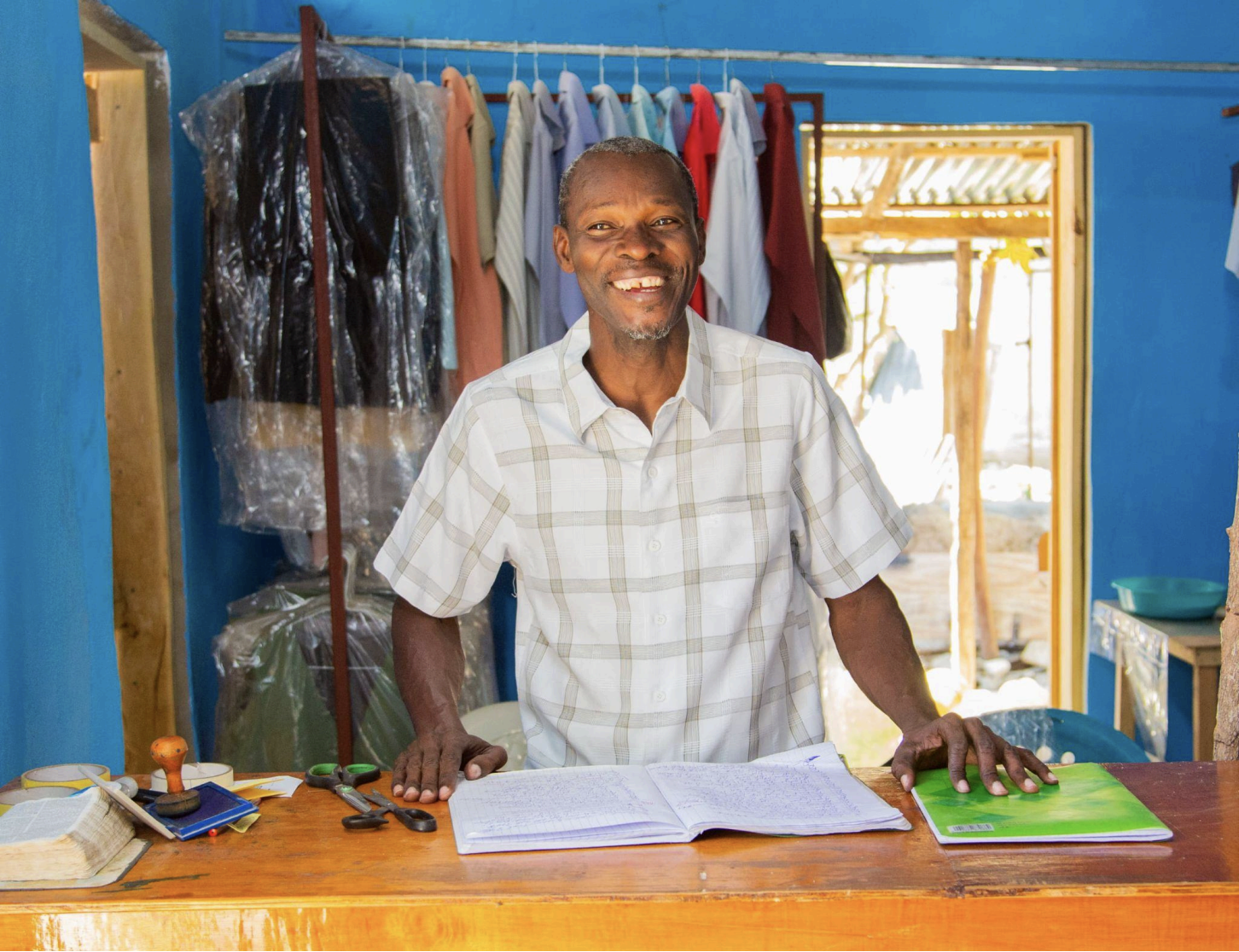
A productive member of society is someone who creates value for others.
This requires more than access to education. It requires the ability to apply skills in real-world contexts, to solve problems, and to participate in economic systems. Models that develop these capabilities while simultaneously creating value are the foundation of long-term societal progress.
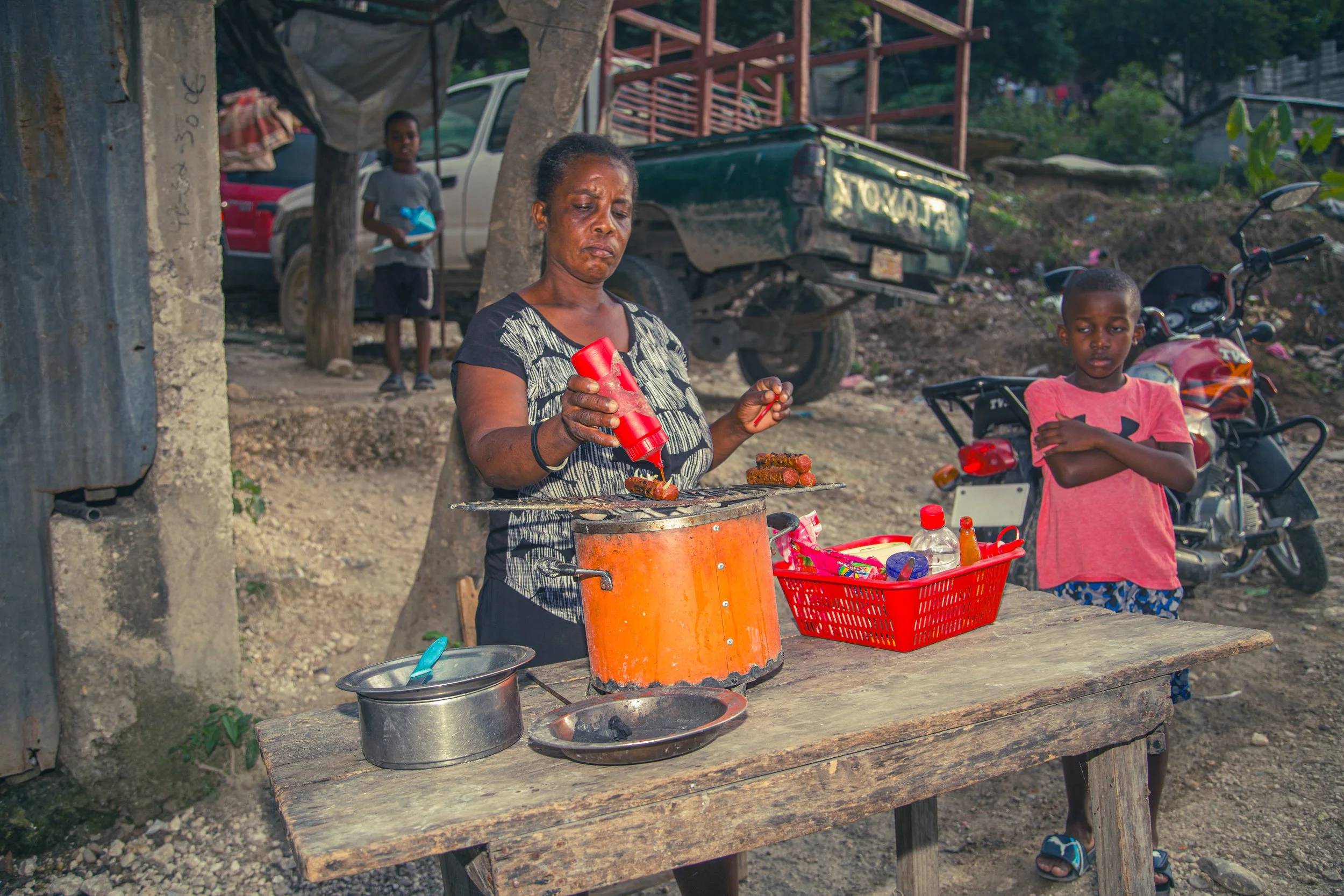
Work, entrepreneurship, caregiving, and enterprise creation all generate value. Paid employment is one expression of productivity, but unpaid labor that strengthens households and communities also creates real economic output.
Economic Contribution

Strong families, mentorship, trust, and emotional reliability create social cohesion. Individuals who strengthen relationships and contribute to social stability generate long-term societal value.
Social and Relational Contribution
Civic Participation
Voting, volunteering, participating in local governance, and maintaining shared infrastructure reflect ownership of community outcomes. Societies function best when individuals act as stakeholders, not spectators.
Cultural and Intellectual Contribution
Teaching, creating, writing, researching, and sharing knowledge enrich collective understanding. Cultural and intellectual output strengthens long-term capability across generations.
Investing in one's own health, discipline, skills, and maturity builds capacity for sustained contribution. Self-improvement is not selfish; it increases future societal output.
Personal Development
RELIGION AND SOCIETAL CONTRIBUTION
Religion can serve as a powerful motivator for outward contribution. Faith communities often build dense networks of support, mobilize charitable action, and reinforce moral frameworks that encourage service to others.
It can also narrow contribution when it fosters insularity, resistance to evidence, or moral licensing: the assumption that affiliation alone qualifies someone as virtuous regardless of conduct.
Belonging to a religious group does not automatically equate to being a positive contributor. Societal productivity is measured by tangible output and impact, not identity or membership.
As a secular foundation, RABAF evaluates contribution based on measurable value creation and capability development, independent of religious affiliation.